I joined Reforge in fall 2022 as the company was transitioning from a transactional courses business to an “always on” learning platform. As part of that shift, we launched a free product called Artifacts – a repository of real work from product, growth, and marketing professionals – to provide a consistent stream of short-form content. The hope was to accelerate growth by building a large free user base that we could then upsell into paid plans.
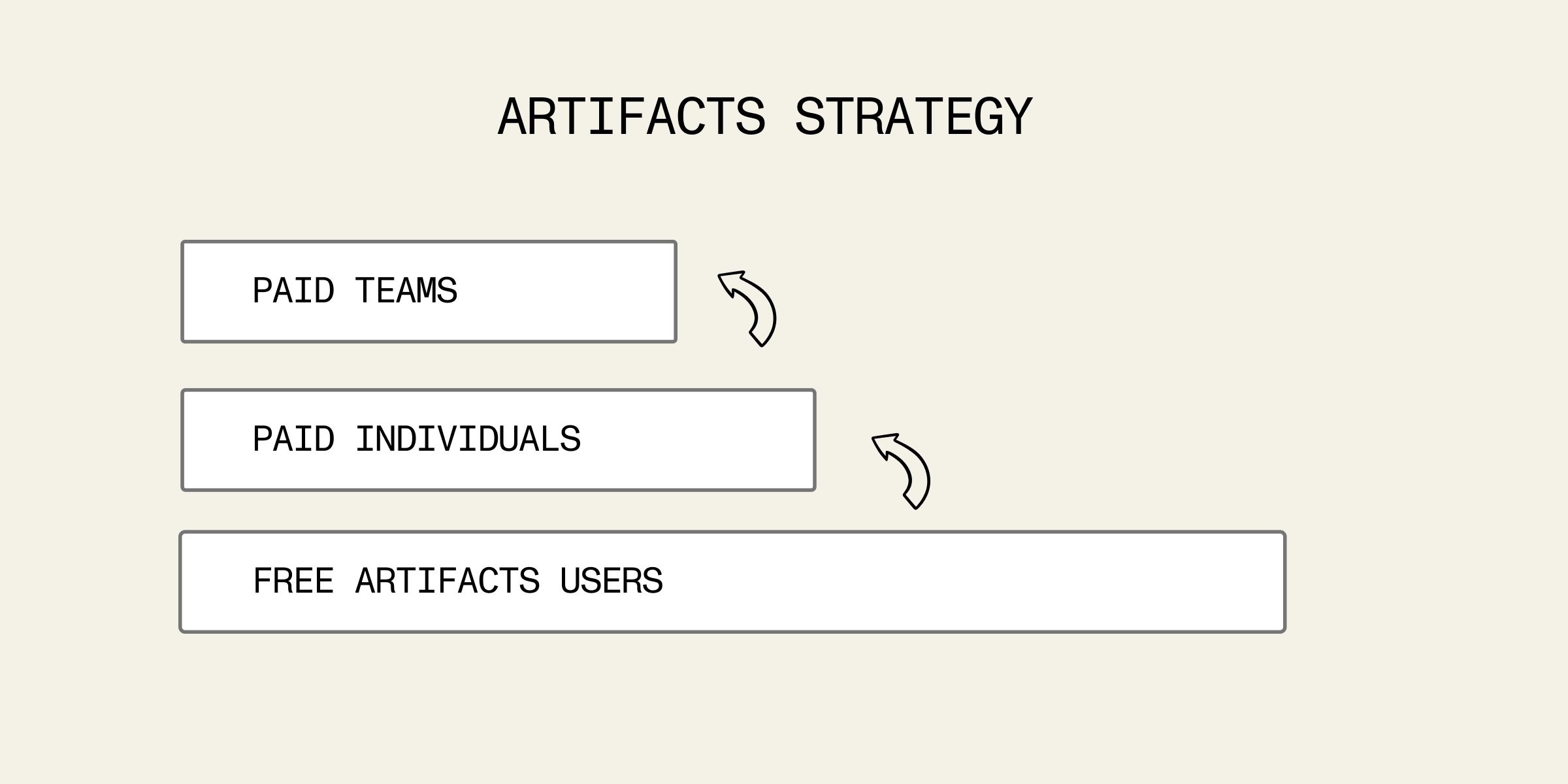
Six months after the release, we began to miss new revenue targets and our CEO asked a group of us to diagnose and resolve the issue.
After looking at our data and talking with both free and paid customers, we discovered two major challenges with our strategy.
First, users weren’t interested in our paid features. Our upsell strategy centered on a relatively young set of features that hadn’t reached broad adoption. We were asking users to pay for features that we believed would be valuable to them soon – a fool’s errand. Our monetization strategy had gotten ahead of the product development cycle and was damaging revenue.
Second, the new short-form content was degrading users’ willingness to pay. We learned that a significant chunk of our audience never engaged with our flagship courses, and this fundamentally changed their view of the business. Users who took a course viewed Reforge as an experience that could change their career. Users who only read short-form content viewed us as just another content platform.
But the picture wasn’t entirely gloomy. There were a few successes following the release:
- Users were engaging with and enjoying Artifacts, which increased engagement and retention.
- We were successfully leveraging free content into an SEO growth loop that increased organic traffic.
The question became: how do we solve the revenue challenges without undoing these newfound successes? We made three changes to try to solve the problem.
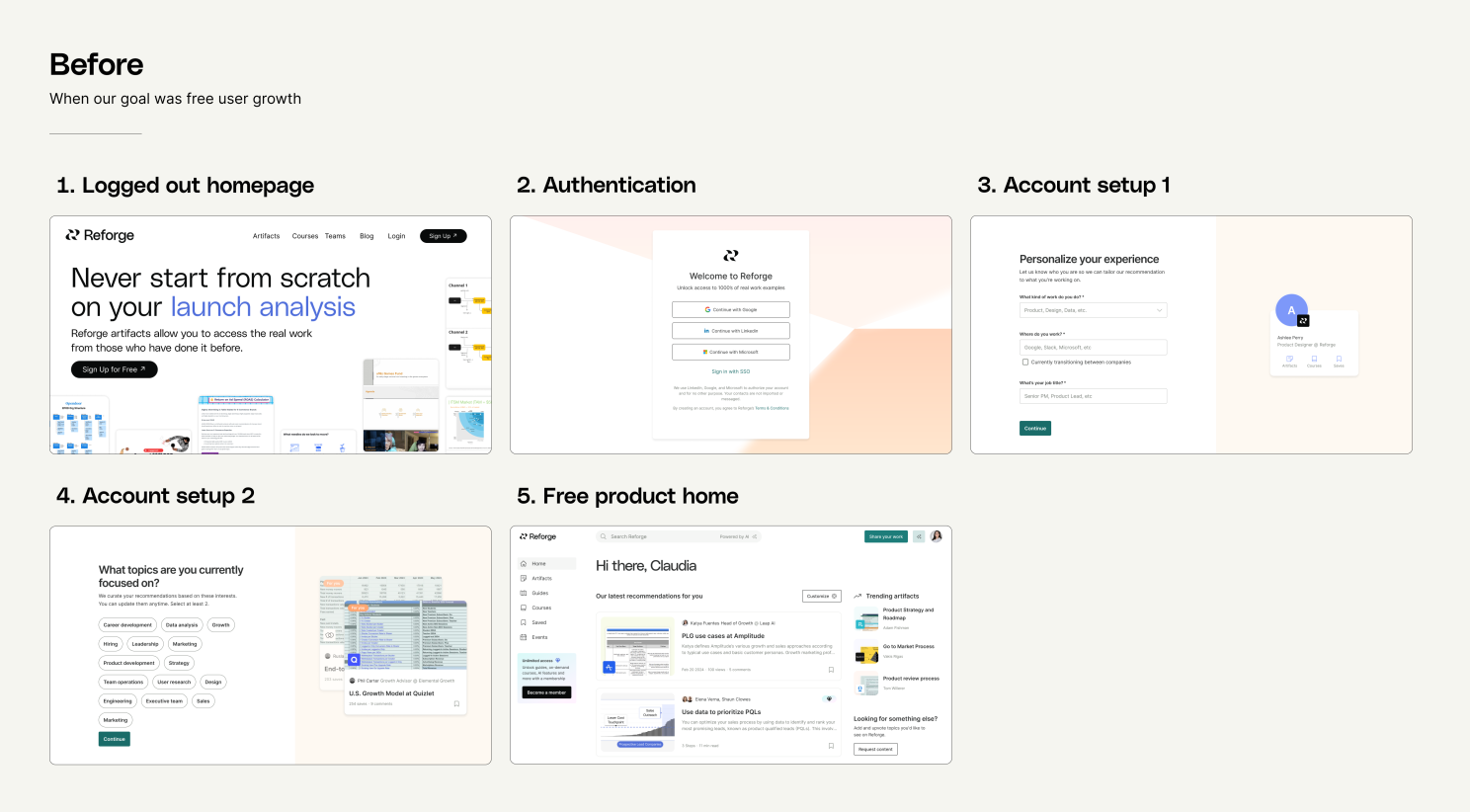
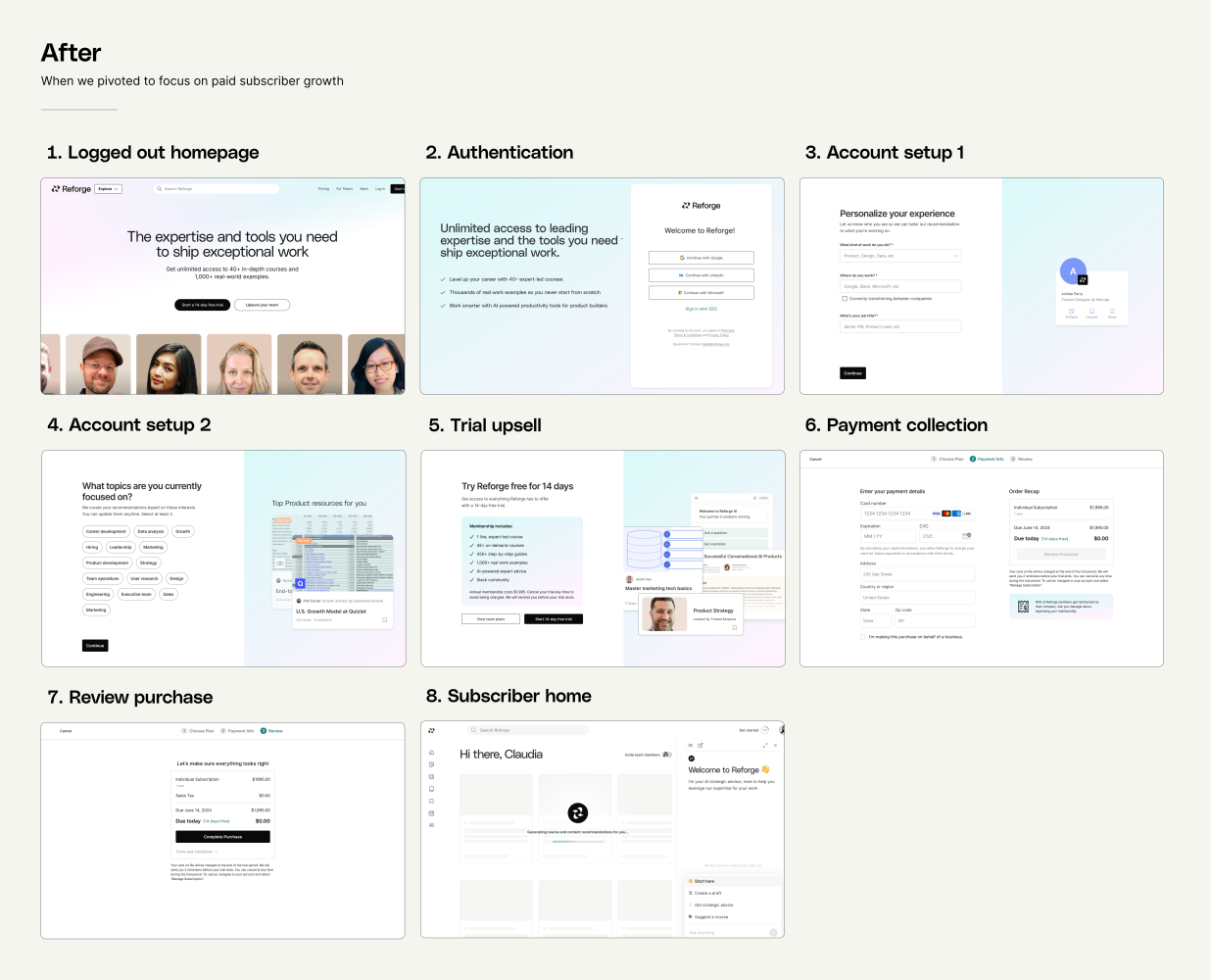
We moved from “freemium” business model to “pay to play.” Customers told us loud and clear that what they valued most was our content. While we had ambitions to be a SaaS tool, we were a content company in the eyes of our users – so we built a strategy to match. Users had to pay to access any of our content, much like NYT or WSJ.
We added a free trial to bridge the gap. We launched a 14-day full access trial to reduce friction at the front end of the transaction. We required a credit card upfront to filter for high-intent users.
We focused the new user experience on course enrollment. We began prioritizing our highest quality content to get more users to the “aha moment” of learning from an expert. There was a trade-off here between thin engagement with a broad group versus deep engagement with a small group. Based on our business model, the latter was much more appealing.
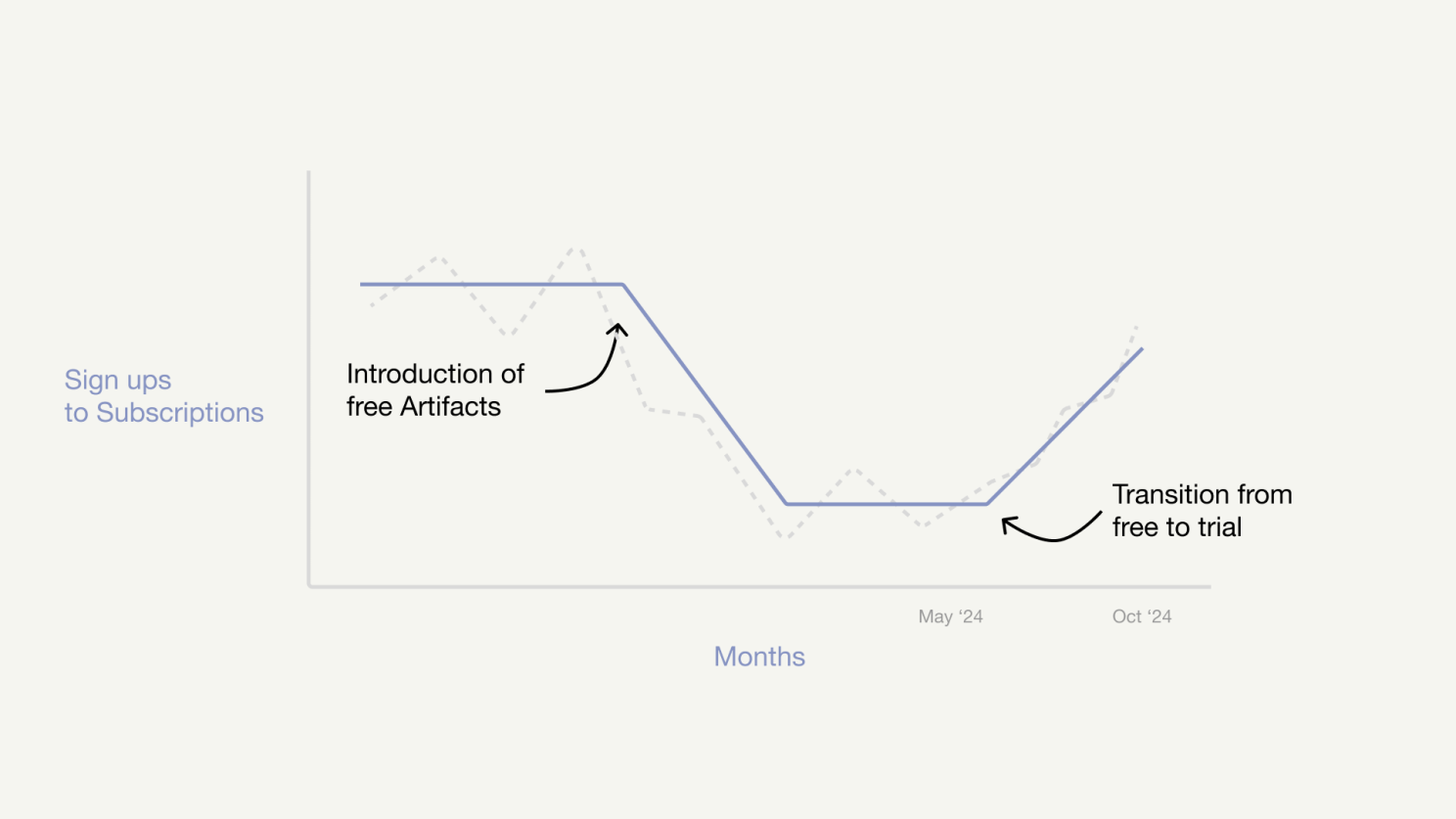
The changes worked. We grew our paid conversion rate by over 100% and got it back into a healthy range while maintaining most of the top-of-funnel growth gains from the free product.
More importantly, we re-asserted the core value of our product to ourselves and our customers: meaningful learning experiences with experienced professionals working in your field.
 Home
Home 
Leave a comment